Common Causes of Missing Shingles and How to Fix Them

Missing shingles may seem like a minor roofing issue, but they can quickly lead to serious problems if left unaddressed. A single missing shingle creates a vulnerable area where water, wind, and debris can penetrate the roofing system. Over time, what starts as a small problem can result in roof leaks, wood rot, insulation damage, mold growth, and expensive repairs.
For homeowners throughout Geneva, Batavia, Aurora, Naperville, St. Charles, Wheaton, Bartlett, Carol Stream, and surrounding Illinois communities, missing shingles are one of the most common roofing concerns. Illinois weather can be especially hard on roofs, and understanding why shingles go missing can help homeowners take preventive measures and address problems before they worsen.
In this guide, we'll examine the most common causes of missing shingles, explain how to identify roofing damage, and discuss the best solutions for protecting your home.
Why Missing Shingles Should Never Be Ignored
Every shingle on your roof serves an important purpose.
Together, shingles create a protective barrier that helps shield your home from:
- Rain
- Snow
- Ice
- Wind
- UV rays
- Debris
When shingles are missing, the roofing system loses part of that protection.
Even a small exposed area can allow moisture to reach:
- Underlayment
- Roof decking
- Structural components
- Attic spaces
The longer the problem remains unresolved, the greater the risk of costly damage.
Cause #1: High Winds
Strong winds are one of the leading causes of missing shingles throughout Illinois.
Severe thunderstorms, straight-line winds, and seasonal weather events can lift shingles and break the seal that helps keep them secured to the roof.
Once a shingle becomes loose, it may:
- Tear away completely
- Crack
- Fold back
- Expose surrounding shingles to additional damage
Signs of Wind Damage
Homeowners may notice:
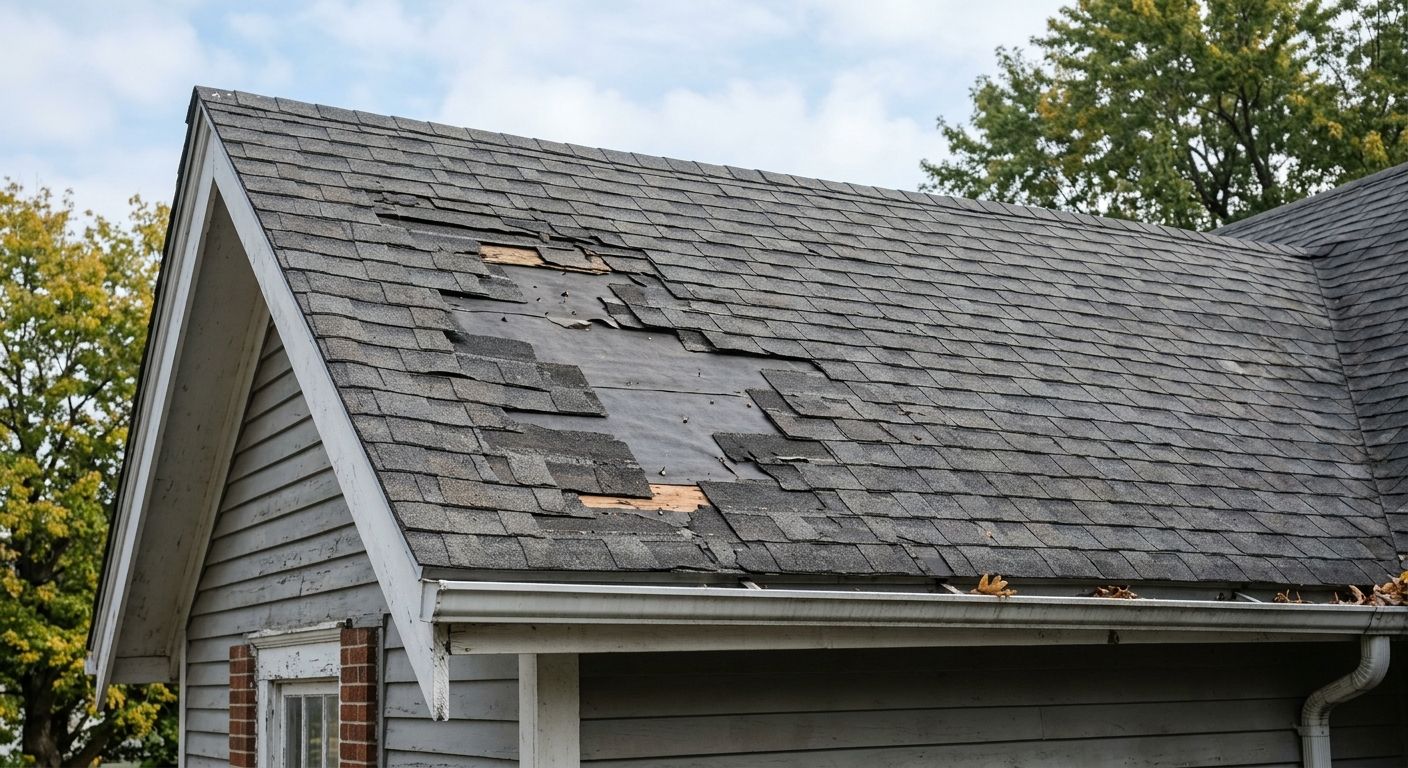
- Missing shingles in specific sections
- Shingles lying in the yard
- Creased or lifted shingles
- Exposed roofing materials
Because wind damage often affects multiple areas, a professional inspection is recommended after major storms.
Cause #2: Aging Roofing Materials
Like all building materials, shingles have a limited lifespan.
Over time, exposure to sunlight, moisture, temperature fluctuations, and severe weather gradually weakens roofing materials.
As shingles age, they may become:
- Brittle
- Cracked
- Curled
- Less resistant to wind
Older shingles are significantly more likely to detach during storms than newer materials.
Typical Lifespan of Asphalt Shingles
- Three-tab shingles: 15–20 years
- Architectural shingles: 20–30 years
- Premium shingles: 30+ years
As roofs approach the end of their expected lifespan, missing shingles often become more common.
Cause #3: Improper Installation
Even high-quality shingles can fail prematurely if they were not installed correctly.
Installation problems may include:
- Improper nailing
- Incorrect nail placement
- Inadequate fastening
- Poor alignment
- Failure to follow manufacturer specifications
Improperly installed shingles may loosen over time and become vulnerable to wind damage.
Why Installation Quality Matters
Professional installation helps ensure shingles can withstand normal weather conditions and achieve their expected lifespan.
Cause #4: Hail Damage
Hailstorms are common throughout northern Illinois and can significantly impact roofing systems.
Hail may:
- Crack shingles
- Loosen protective granules
- Create hidden bruising
- Weaken adhesive seals
Although shingles may not immediately fall off after a hailstorm, the damage often reduces their ability to resist future wind events.
Over time, affected shingles may detach and leave exposed sections of the roof.
Cause #5: Poor Attic Ventilation
Many homeowners are surprised to learn that attic ventilation affects roofing performance.
Poor ventilation can cause excessive heat buildup in the attic during summer months.
This heat may:
- Accelerate shingle aging
- Dry out roofing materials
- Reduce flexibility
- Weaken adhesive bonds
As shingles deteriorate, they become more susceptible to wind damage and separation.
Cause #6: Ice Dams During Winter
Illinois winters create conditions that can contribute to missing shingles.
Ice dams form when melting snow refreezes near roof edges.
As ice accumulates, it may:
- Lift shingles
- Trap water beneath roofing materials
- Damage underlayment
- Loosen roofing components
Repeated freeze-thaw cycles place additional stress on the roofing system and may eventually contribute to shingle loss.
Cause #7: Falling Tree Branches and Debris
Storms often bring falling branches and airborne debris.
Even relatively small branches can:
- Crack shingles
- Tear roofing materials
- Break adhesive seals
- Dislodge entire sections of roofing
Trees located close to the home increase the likelihood of impact-related roofing damage.
Regular tree maintenance can help reduce this risk.
Cause #8: Previous Roof Repairs
In some cases, previous repair work may contribute to future shingle loss.
If repairs were not completed properly, homeowners may experience:
- Poor shingle integration
- Inconsistent fastening
- Reduced weather resistance
Professional repairs help ensure the repaired section performs similarly to the rest of the roof.
How to Spot Missing Shingles
The sooner homeowners identify missing shingles, the easier it is to prevent additional damage.
Common warning signs include:
Visible Roof Gaps
The most obvious sign is an exposed area where shingles are missing.
Shingles Found on the Ground
After storms, inspect the yard for roofing materials.
Water Stains Inside the Home
Missing shingles can eventually allow moisture to enter the home.
Increased Granule Accumulation
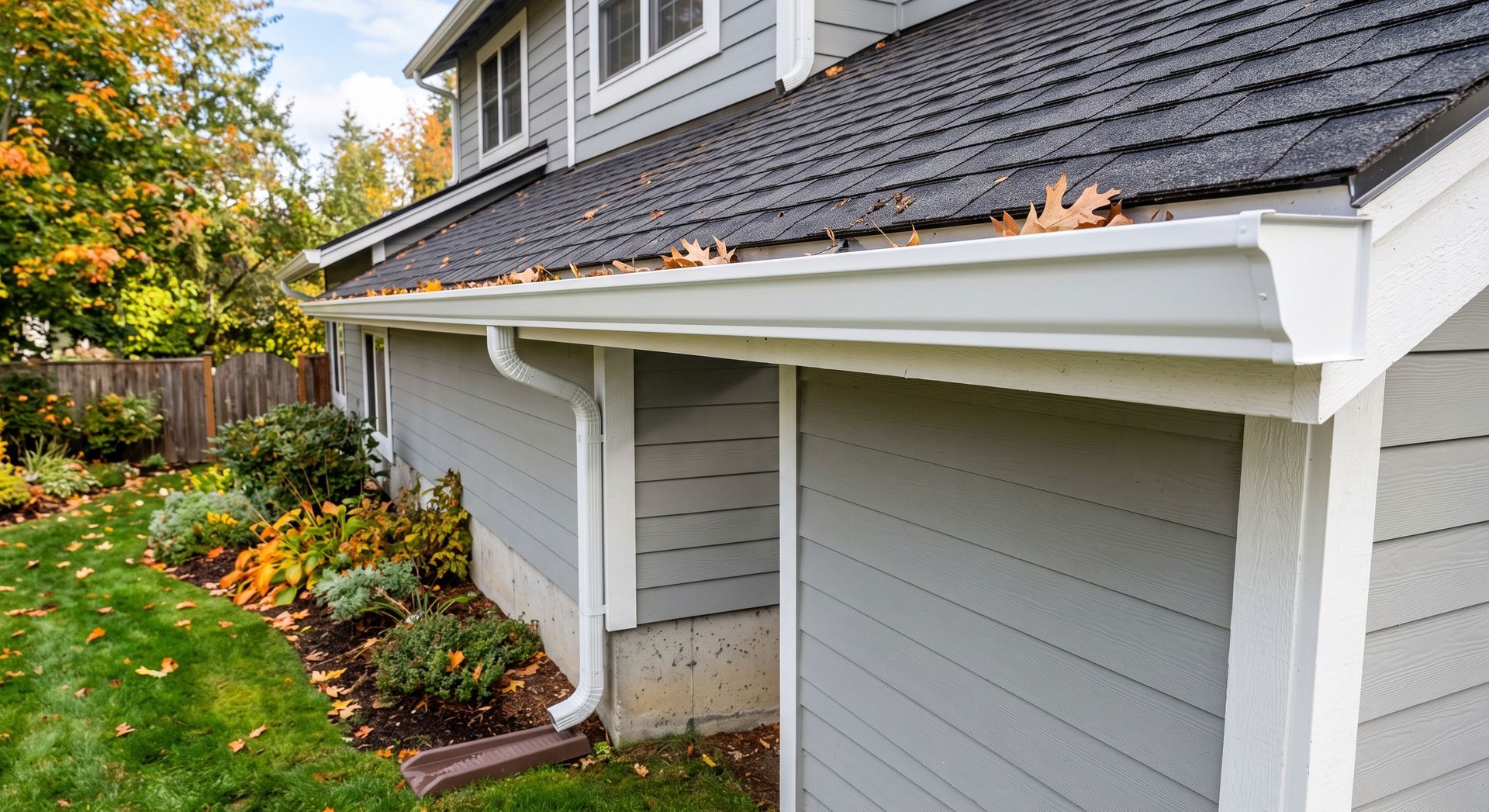
Excessive granules in gutters often indicate roofing deterioration.
Uneven Roof Appearance
Sections of the roof may appear inconsistent in color or texture.
If any of these signs are present, a professional inspection is recommended.
What Happens If Missing Shingles Are Not Repaired?
Delaying repairs can create a chain reaction of roofing problems.
Potential consequences include:
Roof Leaks
Water can penetrate beneath surrounding shingles and enter the home.
Wood Rot
Moisture exposure may damage roof decking and structural components.
Mold Growth
Damp attic conditions create an environment where mold can develop.
Higher Energy Costs
Damaged roofing systems often reduce energy efficiency.
More Extensive Repairs
What begins as a simple repair can eventually require larger and more expensive work.
Addressing missing shingles promptly is usually far more affordable than repairing resulting damage.
Repair or Replace?
The best solution depends on several factors.
Repair May Be Appropriate When:
- Damage is localized
- The roof is relatively new
- Most shingles remain in good condition
- No major structural issues exist
Replacement May Be Recommended When:
- The roof is nearing the end of its lifespan
- Missing shingles are widespread
- Storm damage is extensive
- Leaks are recurring
- Significant deterioration is present
A professional inspection can help determine which option offers the best value.
How Professional Inspections Help
Many roofing issues are not visible from the ground.
Professional inspections can identify:
- Hidden storm damage
- Loose shingles
- Flashing concerns
- Ventilation issues
- Moisture intrusion
Early detection often prevents more expensive repairs and helps homeowners make informed decisions.
Why Homeowners Trust Bagg Exteriors
Since 1972, Bagg Exteriors has helped homeowners throughout Geneva, Batavia, Aurora, Naperville, St. Charles, Wheaton, South Elgin, Bartlett, Carol Stream, and surrounding communities protect their homes with dependable roofing services.
Homeowners choose Bagg Exteriors because we provide:
- Estimates directly from the owner
- Licensed roofing professionals
- Roof repairs
- Roof replacements
- Complete tear-offs
- Leak detection services
- Storm damage assessments
- Lifetime warranty options on many shingles
- More than five decades of local experience
Our team understands the challenges Illinois weather creates for residential roofing systems and can help homeowners address missing shingles before more serious problems develop.
Frequently Asked Questions
Can one missing shingle cause a leak?
Yes. Even a single missing shingle can expose underlying materials and allow water to enter the roofing system.
How soon should missing shingles be repaired?
As soon as possible. Prompt repairs help prevent moisture intrusion and additional damage.
Can wind remove shingles from a new roof?
Yes. Severe weather can damage even newer roofs, although proper installation improves wind resistance.
Are missing shingles covered by insurance?
Storm-related damage may be covered under certain homeowners insurance policies. Coverage depends on the specific circumstances and policy terms.
Should I replace my roof if several shingles are missing?
Not necessarily. The decision depends on the roof's age, condition, and extent of the damage.
Protect Your Roof Before Small Problems Become Major Repairs
Missing shingles may seem minor at first, but they can quickly expose your home to water damage and costly repairs. Whether the cause is wind, hail, aging materials, or installation issues, prompt action can help preserve the integrity of your roofing system. Bagg Exteriors has been serving homeowners throughout Geneva and surrounding Illinois communities since 1972, providing trusted roofing repairs, replacements, and inspections designed to keep homes protected year-round.