The Benefits of Complete Roof Tear-Offs vs Overlay Roofing
When it's time for a roof replacement, homeowners are often faced with an important decision: should they choose a complete roof tear-off or install a new layer of shingles over the existing roof? While both options can provide protection for a home, they differ significantly in terms of durability, performance, long-term value, and overall roofing health.
For homeowners throughout Geneva, Batavia, Aurora, Naperville, St. Charles, Wheaton, Bartlett, and surrounding Illinois communities, understanding the advantages and disadvantages of each approach can help ensure a smart investment. While overlay roofing may seem appealing because of lower upfront costs, a complete roof tear-off often provides superior long-term benefits.
In this guide, we'll explain how both methods work and why many roofing professionals recommend complete tear-offs when conditions allow.
What Is a Roof Overlay?
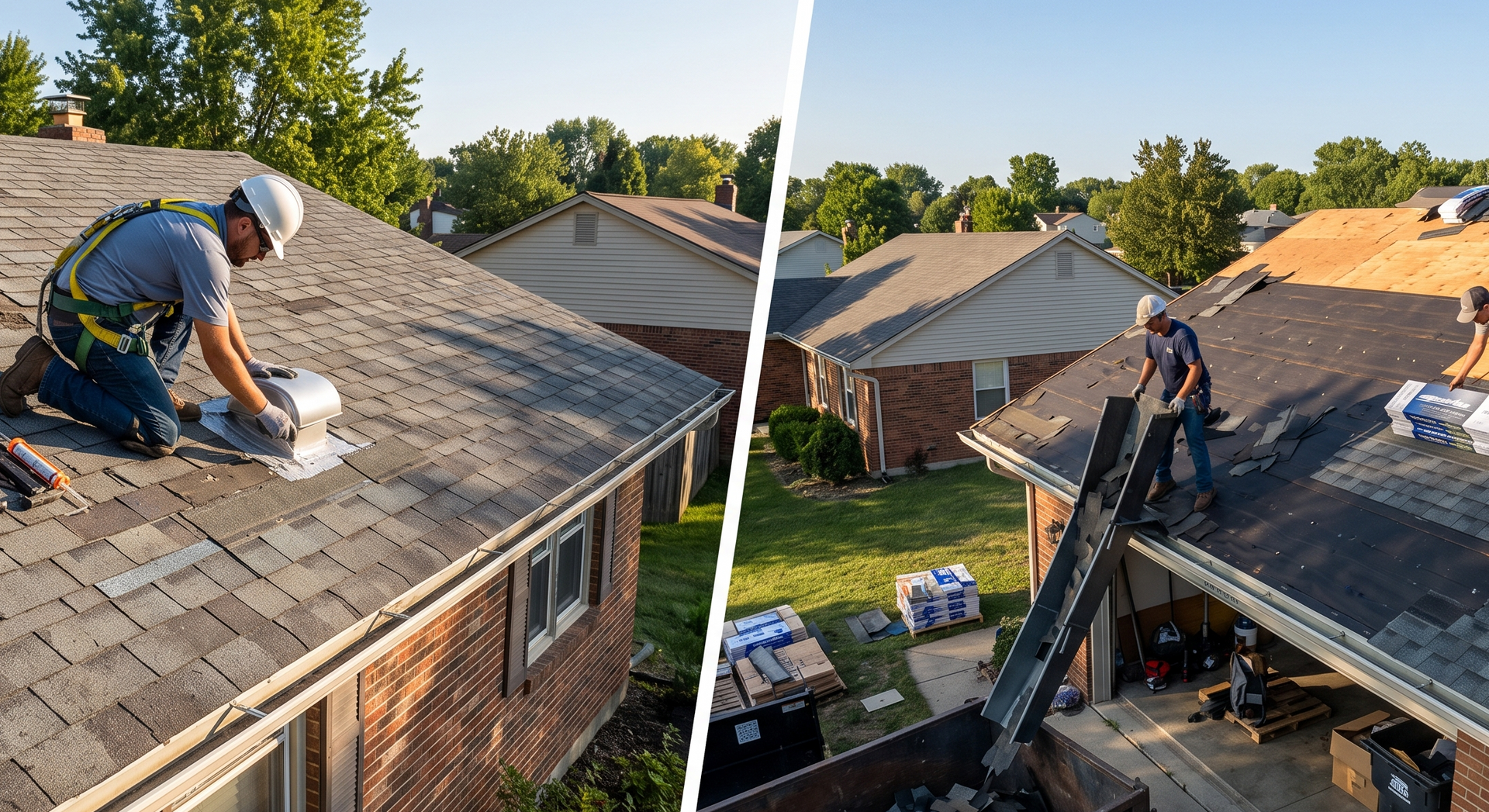
Roof overlay roofing, sometimes called reroofing, involves installing a new layer of shingles directly over an existing layer without removing the original roofing materials.
Instead of tearing off the old shingles, contractors place new shingles on top of the existing roof surface.
Advantages of Roof Overlays
Some homeowners choose overlays because they offer:
- Lower initial cost
- Faster installation
- Less labor
- Reduced disposal fees
- Minimal disruption
In certain situations, overlay roofing can be a temporary solution that extends a roof's life.
However, there are important limitations homeowners should understand before choosing this option.
What Is a Complete Roof Tear-Off?
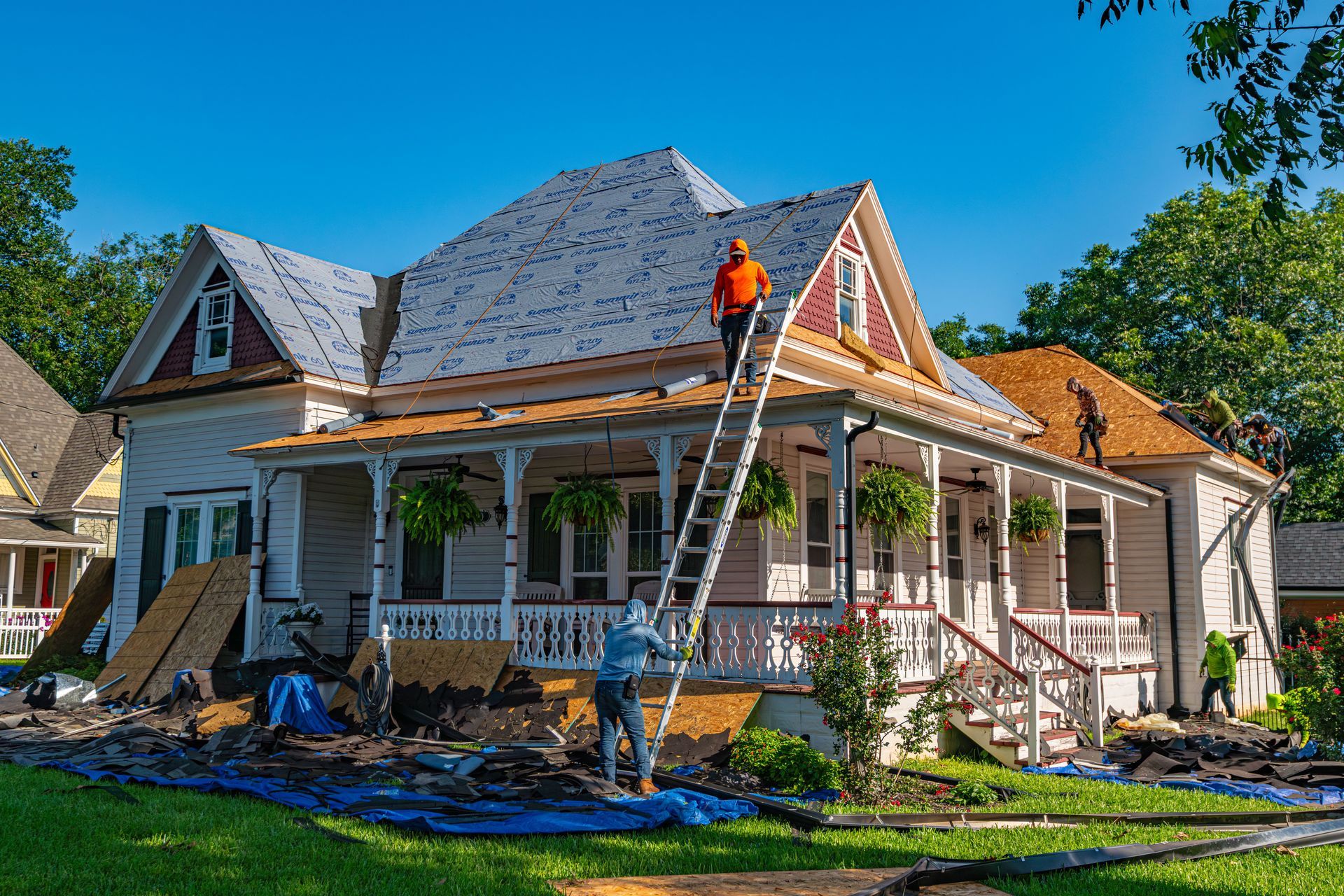
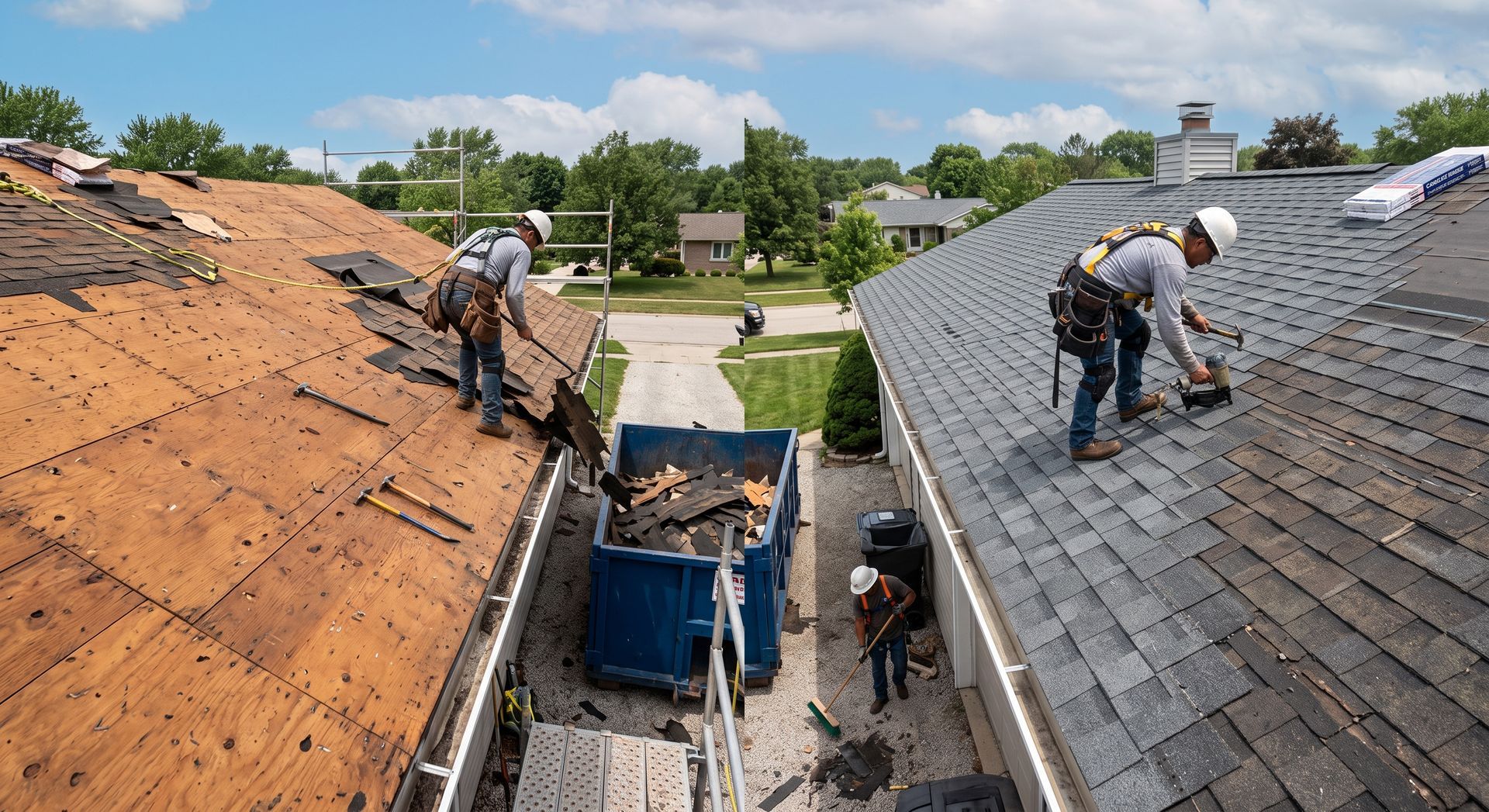
A complete roof tear-off involves removing all existing roofing materials down to the roof deck.
Once the old materials are removed, contractors inspect the decking and install:
- New underlayment
- Ice and water barriers where needed
- New flashing
- New ventilation components if necessary
- New roofing materials
This process creates an entirely new roofing system rather than covering up existing materials.
Why Many Roofing Professionals Prefer Complete Tear-Offs
Although overlays may save money initially, complete tear-offs often provide greater value over the life of the roof.
Let's examine the most significant benefits.
Benefit #1: Reveals Hidden Damage
One of the biggest advantages of a complete tear-off is the ability to inspect the roof deck.
When old shingles remain in place, hidden issues often go unnoticed.
Potential problems include:
- Rotting wood
- Moisture damage
- Mold growth
- Soft decking
- Structural deterioration
A tear-off allows contractors to identify and correct these issues before installing a new roof.
Why This Matters
Covering damaged materials with new shingles does not solve underlying problems.
Hidden damage may continue worsening beneath the new roof and lead to costly repairs later.
Benefit #2: Longer Roof Lifespan
New shingles perform best when installed on a clean, properly prepared surface.
With a complete tear-off:
- Underlayment is replaced
- Flashing can be updated
- Decking issues are corrected
- Installation quality improves
As a result, homeowners often enjoy a longer-lasting roofing system.
Why This Matters
A roof replacement represents a major investment. Maximizing lifespan helps improve overall return on investment.
Benefit #3: Improved Appearance
Overlay roofs can sometimes produce an uneven appearance.
Existing roofing materials may create:
- Raised areas
- Surface irregularities
- Visible imperfections
A tear-off provides a clean foundation for installation.
Benefits Include
- Better curb appeal
- More uniform appearance
- Cleaner roof lines
- Improved property value
For homeowners considering future resale, appearance can be an important factor.
Benefit #4: Better Leak Detection and Prevention
Roof leaks do not always originate where they become visible inside the home.
A complete tear-off gives contractors the opportunity to inspect:
- Flashing
- Valleys
- Decking
- Vent penetrations
- Problem areas from previous repairs
This allows hidden moisture issues to be addressed before the new roof is installed.
Why This Matters
Preventing future leaks helps protect:
- Attics
- Insulation
- Ceilings
- Walls
- Structural components
Benefit #5: Reduced Roof Weight
Every roofing material adds weight to a home's structure.
Installing new shingles over existing shingles increases the overall load placed on:
- Roof decking
- Trusses
- Rafters
- Structural framing
A complete tear-off removes unnecessary weight before installation.
Why This Matters
Reducing excess weight helps maintain structural integrity and may reduce stress on aging framing systems.
Benefit #6: Improved Warranty Opportunities
Many roofing manufacturers have specific requirements regarding installation methods.
Some enhanced warranties may only be available when:
- Existing roofing materials are removed
- Underlayment is replaced
- Approved installation procedures are followed
Why This Matters
A stronger warranty can provide additional protection and peace of mind.
Benefit #7: Better Ventilation Upgrades
Proper attic ventilation plays a major role in roof performance.
During a complete tear-off, contractors can evaluate and improve:
- Ridge vents
- Soffit vents
- Airflow systems
- Moisture control
Benefits of Proper Ventilation
- Reduced ice dam formation
- Improved energy efficiency
- Longer shingle lifespan
- Better indoor comfort
These improvements are often more difficult to address during an overlay project.
When Might Overlay Roofing Be Appropriate?
Although tear-offs offer many advantages, overlays can sometimes make sense under specific circumstances.
Examples include:
The Existing Roof Is in Good Condition
If the underlying shingles remain relatively flat and damage-free, an overlay may be feasible.
Budget Limitations
Some homeowners choose overlays because of lower upfront costs.
Temporary Ownership Plans
If a homeowner plans to move in the near future, an overlay may provide a short-term solution.
However, homeowners should carefully weigh long-term costs against immediate savings.
The Potential Drawbacks of Overlay Roofing
While overlays may seem attractive initially, they come with several disadvantages.
Hidden Problems Remain Hidden
Existing damage often stays concealed beneath the new roofing layer.
Shorter Lifespan
Overlay roofs frequently do not last as long as roofs installed after a complete tear-off.
Increased Weight
Additional roofing layers place more stress on the structure.
More Difficult Future Repairs
Multiple roofing layers can complicate leak detection and repair efforts.
Reduced Inspection Opportunities
Contractors cannot fully evaluate the condition of the roof deck.
Factors to Consider Before Making a Decision
Every roof is different.
Homeowners should consider:
Roof Age
Older roofs often benefit most from complete tear-offs.
Existing Damage
Significant damage generally favors removal and replacement.
Budget
While tear-offs cost more upfront, they may provide better long-term value.
Future Plans
How long you plan to remain in the home may influence your decision.
Structural Condition
A professional inspection can determine whether the existing roof is suitable for an overlay.
Why Professional Roof Evaluations Matter
The best roofing solution depends on the condition of your current roof.
A professional inspection can identify:
- Hidden moisture damage
- Decking concerns
- Ventilation issues
- Structural problems
- Remaining roof lifespan
This information helps homeowners make informed decisions rather than relying solely on initial cost comparisons.
Why Homeowners Choose Bagg Exteriors
Since 1972, Bagg Exteriors has helped homeowners throughout Geneva, Batavia, Aurora, Naperville, St. Charles, Wheaton, South Elgin, Carol Stream, Bartlett, and nearby communities make informed roofing decisions.
Homeowners trust Bagg Exteriors because we provide:
- Estimates directly from the owner
- Licensed roofing contractors
- Complete roof tear-offs
- Reroofing services
- Roof repairs
- Storm damage repairs
- Lifetime warranty options on many shingles
- More than 50 years of local roofing experience
Our goal is to recommend the solution that best fits your home's needs, budget, and long-term goals.
Frequently Asked Questions
Is a roof tear-off better than an overlay?
In many cases, yes. A tear-off allows contractors to inspect the roof deck, address hidden damage, improve ventilation, and install a completely new roofing system.
Does a roof tear-off cost more?
Yes. Tear-offs generally require more labor and disposal costs. However, they often provide greater long-term value.
Can I install shingles over existing shingles?
In some situations, yes. However, local building codes and roof conditions must be considered.
How long does a roof tear-off take?
Most residential tear-off and replacement projects can be completed within a few days, depending on weather and project size.
Will a tear-off increase my home's value?
A properly installed new roofing system often improves curb appeal, buyer confidence, and overall property value.
Invest in a Roofing Solution Built to Last
While overlay roofing may offer short-term savings, a complete roof tear-off often delivers superior long-term performance, durability, and peace of mind. By removing old materials and addressing hidden issues, homeowners can start fresh with a roofing system designed to protect their property for decades. If you're considering roof replacement in Geneva or the surrounding Fox Valley area, Bagg Exteriors can evaluate your roof and help determine the best option for your home.
Recent Posts