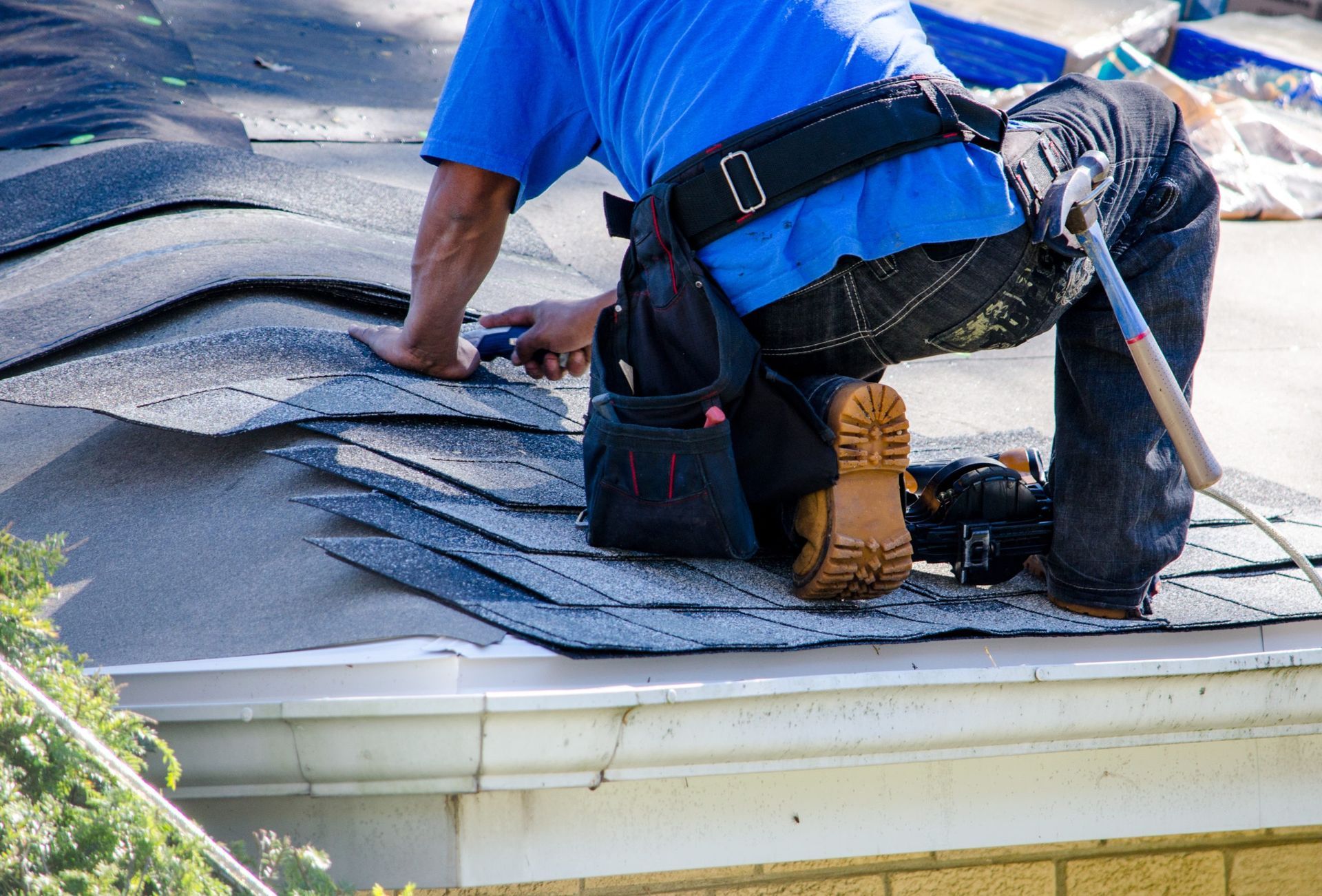
Why Roof Leaks Get Worse During Illinois Winters

A small roof leak may seem manageable during the warmer months, but once winter arrives in Illinois, that minor problem can quickly become a major headache. Freezing temperatures, snow accumulation, ice dams, and repeated freeze-thaw cycles place tremendous stress on roofing systems. What begins as a tiny opening in your roof can allow moisture to spread, causing extensive damage to insulation, decking, ceilings, and even structural components.
For homeowners in Geneva, Batavia, Aurora, Naperville, St. Charles, Wheaton, Bartlett, and surrounding communities, understanding why roof leaks become more severe during winter can help prevent costly repairs and protect the long-term health of your home.
Why Illinois Winters Are Hard on Roofs
Illinois experiences a wide range of weather conditions throughout the winter season. These conditions create the perfect environment for existing roofing problems to worsen.
Common winter weather challenges include:
- Heavy snowfall
- Ice accumulation
- Strong winds
- Freezing rain
- Rapid temperature fluctuations
- Extended periods of below-freezing temperatures
Even a well-built roof experiences stress under these conditions. If a roof already has damaged shingles, compromised flashing, or hidden vulnerabilities, winter weather often exposes those weaknesses.
The Freeze-Thaw Cycle and Roof Damage
One of the biggest contributors to winter roofing problems is the freeze-thaw cycle.
Here's how it works:
- Snow melts during warmer daytime temperatures.
- Water enters small cracks or openings in the roofing system.
- Temperatures drop overnight.
- The trapped water freezes and expands.
- Expansion widens cracks and openings.
- Additional water enters the damaged areas.
This cycle repeats throughout the winter and gradually enlarges roofing defects.
What may have started as a tiny crack in a shingle can eventually become a significant pathway for water intrusion.
Ice Dams: A Leading Cause of Winter Roof Leaks
Ice dams are among the most common causes of winter roof leaks in Illinois.
What Is an Ice Dam?
An ice dam forms when heat escaping from the attic warms the roof surface and melts snow. As the melted water flows toward colder roof edges, it refreezes and creates a ridge of ice.
This ridge prevents proper drainage.
As additional snow melts, water becomes trapped behind the ice dam and may work its way beneath shingles.
Why Ice Dams Cause Leaks
Roofing systems are designed to shed water downward. They are not designed to hold standing water for extended periods.
When water becomes trapped behind an ice dam, it can:
- Penetrate beneath shingles
- Saturate underlayment
- Damage roof decking
- Enter attic spaces
- Stain ceilings and walls
Even newer roofs can experience leaks if ice dams become severe enough.
Snow Accumulation Increases Roof Stress
While snow itself does not always cause leaks, large accumulations can contribute to roofing problems.
Heavy snow places additional weight on:
- Roofing materials
- Decking
- Structural framing
When combined with existing roof damage, the extra weight can worsen weak areas and create new opportunities for moisture intrusion.
Snow also acts as insulation, slowing the drying process and allowing moisture to remain trapped longer than it would during warmer seasons.
Small Leaks Become Bigger Problems
One of the most dangerous aspects of winter roof leaks is how quickly they can escalate.
A minor leak may not produce visible signs immediately. Instead, moisture gradually accumulates inside the roofing system.
Over time, this can lead to:
Damaged Insulation
Wet insulation loses much of its effectiveness.
This can result in:
- Higher heating costs
- Reduced comfort
- Increased attic moisture
Mold and Mildew Growth
Dark, damp attic environments create ideal conditions for mold growth.
Once mold develops, remediation costs can become significant.
Ceiling and Wall Damage
Water that enters through the roof often travels along rafters and framing before becoming visible inside the home.
Homeowners may notice:
- Ceiling stains
- Peeling paint
- Bubbling drywall
- Warped materials
Structural Deterioration
Long-term moisture exposure can damage:
- Roof decking
- Rafters
- Trusses
- Structural supports
These repairs are often much more expensive than addressing the original leak.
Common Sources of Winter Roof Leaks
Not all roof leaks originate from the same location.
Several roofing components are especially vulnerable during winter.
Damaged Shingles
Cracked, missing, or lifted shingles allow moisture to penetrate the roofing system.
Winter winds frequently worsen existing shingle damage.
Flashing Failures
Flashing protects vulnerable roof transitions, including:
- Chimneys
- Skylights
- Roof valleys
- Vent pipes
When flashing becomes loose, corroded, or damaged, water can enter the home.
Roof Valleys
Valleys handle large amounts of water runoff.
Snow and ice accumulation often place additional stress on these critical areas.
Ventilation Problems
Poor attic ventilation contributes to:
- Ice dam formation
- Excess moisture
- Premature shingle aging
Proper ventilation is an important part of winter roof performance.
Warning Signs of a Winter Roof Leak
Homeowners should remain alert for signs that water may be entering the home.
Common warning signs include:
- Water stains on ceilings
- Damp attic insulation
- Musty odors
- Visible mold growth
- Dripping water during snowmelt
- Ice buildup along roof edges
- Peeling paint near ceilings
- Increased energy bills
The sooner these issues are addressed, the less likely they are to cause extensive damage.
Why Immediate Repairs Matter
Many homeowners postpone roof repairs during winter because they assume the work must wait until spring.
However, delaying repairs can significantly increase overall costs.
Prompt action helps:
- Prevent additional water intrusion
- Reduce structural damage
- Protect insulation
- Limit mold growth
- Preserve interior finishes
In many cases, temporary repairs can stabilize the situation until permanent repairs or replacement can be completed.
Preventing Winter Roof Leaks
Although not every leak can be prevented, homeowners can take several proactive steps.
Schedule Annual Roof Inspections
Professional inspections identify vulnerabilities before winter weather arrives.
Clean Gutters and Downspouts
Proper drainage helps prevent ice dam formation.
Address Minor Repairs Quickly
Small roofing issues often become major problems when ignored.
Improve Attic Ventilation
Balanced ventilation helps regulate roof temperatures and reduce ice dam risks.
Monitor Storm Damage
After severe weather, inspections can reveal hidden damage that may not be visible from the ground.
How Professional Roof Inspections Help
Many winter roofing issues begin long before homeowners notice a leak.
A professional inspection can uncover:
- Damaged shingles
- Flashing concerns
- Ventilation deficiencies
- Ice dam risks
- Hidden moisture intrusion
Identifying these issues early often saves homeowners thousands of dollars in future repair costs.
Why Homeowners Trust Bagg Exteriors
Since 1972, Bagg Exteriors has helped homeowners throughout Geneva, Aurora, Batavia, Naperville, St. Charles, Wheaton, Carol Stream, South Elgin, Bartlett, and surrounding communities protect their homes from roofing damage.
Homeowners rely on Bagg Exteriors because we offer:
- Estimates provided directly by the owner
- Licensed roofing professionals
- Roof leak detection and repair
- Roof replacement services
- Complete tear-offs
- Storm damage repairs
- Lifetime warranty options on many shingles
- More than five decades of local experience
Our team understands the unique challenges Illinois winters place on roofing systems and can help homeowners address problems before they become more costly.
Frequently Asked Questions
Why do roof leaks seem worse in winter?
Snow, ice, and freeze-thaw cycles often enlarge existing roofing defects and create additional opportunities for water intrusion.
Can snow alone cause a roof leak?
Snow itself is not usually the direct cause. However, melting snow and ice dams often allow water to enter vulnerable areas of the roof.
Are ice dams dangerous?
Yes. Ice dams can force water beneath shingles and cause significant damage to roofing systems, insulation, and interiors.
Should I wait until spring to repair a roof leak?
No. Delaying repairs often allows additional damage to occur. Temporary or permanent repairs should be addressed as soon as possible.
How can I prevent roof leaks during winter?
Regular inspections, proper attic ventilation, prompt repairs, and clean gutters can significantly reduce the risk of winter roof leaks.
Protect Your Home Before Winter Damage Escalates
Winter weather has a way of turning small roofing issues into expensive repairs. If you've noticed signs of a leak, storm damage, or aging roofing materials, now is the time to have your roof evaluated. Bagg Exteriors has been serving homeowners throughout Geneva and surrounding Illinois communities since 1972, providing trusted roofing solutions designed to withstand the challenges of Midwest weather.
Recent Posts