How Long Does a Roof Last in Illinois? Signs It's Time for Replacement

June 16, 2026
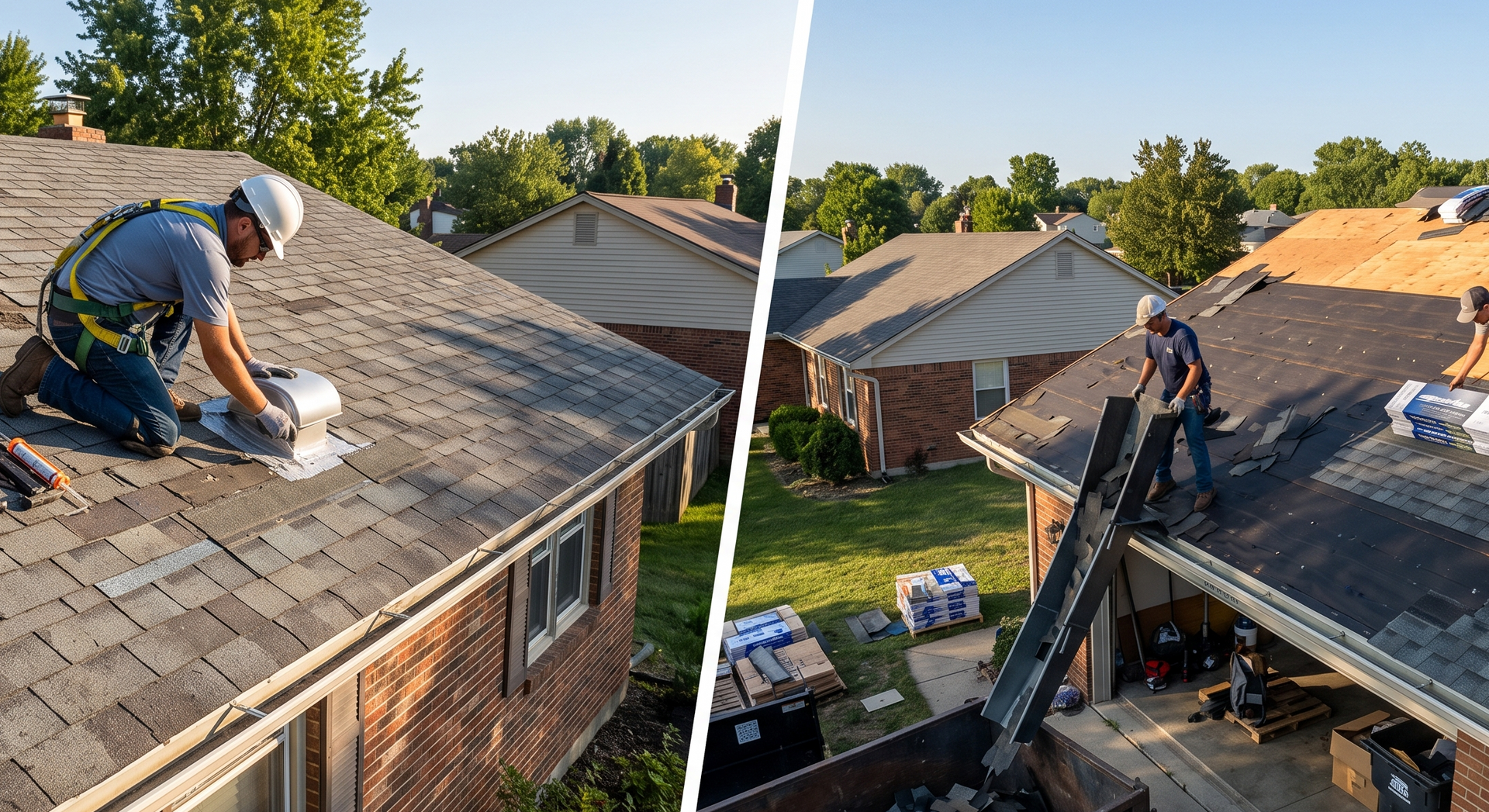
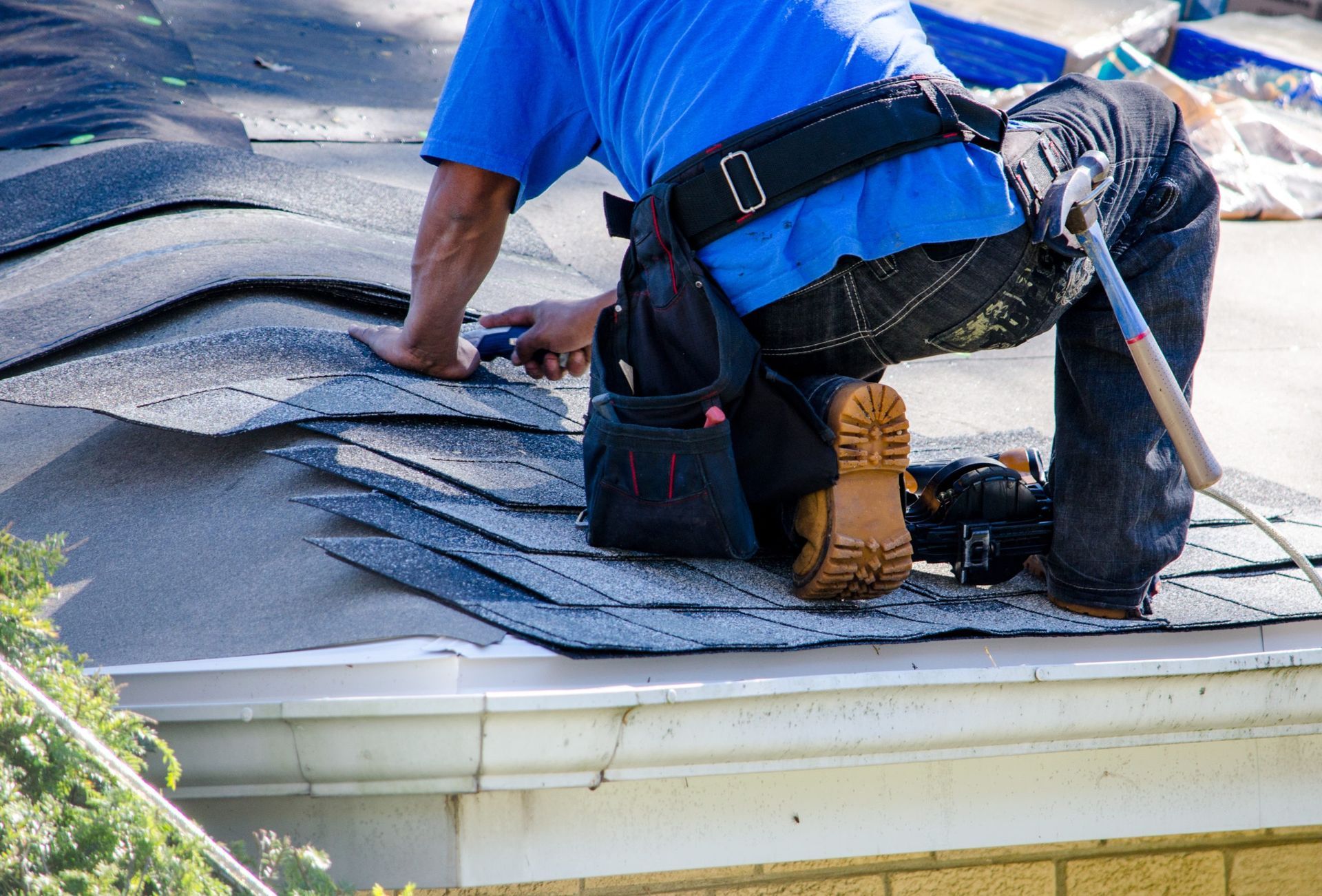
Roofer in blue shirt kneels on a shingled roof, installing dark shingles near the roof edge.

For most Illinois homeowners, a roof lasts anywhere from 15 to 30 years depending on the roofing material, installation quality, maintenance, and exposure to severe weather. However, age alone does not determine when a roof should be replaced. Missing shingles, recurring leaks, storm damage, and visible deterioration are often stronger indicators that it's time to consider a new roof.

Illinois weather can be especially tough on roofing systems. Between heavy snow, ice dams, hailstorms, strong winds, and summer heat, roofs throughout Geneva, Batavia, Aurora, Naperville, St. Charles, and surrounding communities face constant wear and tear. Understanding the lifespan of your roof and recognizing early warning signs can help you avoid costly damage and make informed decisions about repairs versus replacement.

How Long Different Roofing Materials Last in Illinois

The lifespan of a roof depends largely on the materials used and how well the roof has been maintained throughout its life.

Asphalt Shingle Roofs

Asphalt shingles are the most common roofing material used throughout Illinois due to their affordability, durability, and versatility.

Typical lifespan:

  • Three-tab shingles: 15–20 years
  • Architectural shingles: 20–30 years
  • Premium shingles: 30+ years

Many modern shingles include lifetime warranties, but actual performance depends on installation quality, attic ventilation, weather exposure, and maintenance.

Metal Roofs

Metal roofing systems typically last between 40 and 70 years when properly installed. They are highly resistant to wind, hail, and moisture but generally require a larger upfront investment.

Cedar Shake Roofs

Wood shake roofs often last between 20 and 30 years. While attractive, they require regular maintenance and are more vulnerable to moisture-related issues in Illinois' climate.

Slate and Tile Roofs

Slate and tile roofing can last 50 years or more but are less common in the Geneva and Fox Valley area due to cost and structural requirements.

Why Illinois Weather Shortens Roof Lifespans

Illinois homeowners face several environmental factors that can accelerate roof deterioration.

Severe Winter Conditions

Snow accumulation and ice dams can trap moisture beneath shingles. Repeated freeze-thaw cycles cause roofing materials to expand and contract, leading to cracking and premature wear.

High Winds

Strong storms regularly impact communities throughout Kane and DuPage Counties. Wind can loosen shingles, expose underlayment, and create entry points for water.

Hail Damage

Hailstorms can significantly reduce a roof's lifespan by damaging shingles, knocking away protective granules, and creating weak spots that may not be immediately visible.

Summer Heat and UV Exposure

Long periods of direct sunlight gradually break down roofing materials. UV rays dry out shingles and contribute to cracking, curling, and brittleness over time.

7 Signs It's Time for Roof Replacement

While repairs can address isolated issues, there comes a point when replacement becomes the more practical and cost-effective solution.

1. Your Roof Is More Than 20 Years Old

Age alone does not mean replacement is necessary, but roofs approaching the 20- to 30-year mark deserve closer inspection.

If your roof has experienced multiple repairs over the years or has been exposed to severe weather events, replacement may provide better long-term value than continued patchwork repairs.

2. Missing or Damaged Shingles

A few missing shingles can often be repaired. However, widespread shingle loss indicates larger issues.

Warning signs include:

  • Missing shingles
  • Cracked shingles
  • Curling edges
  • Buckling sections
  • Granule loss

When these problems become widespread, replacement is usually the most reliable solution.

3. Frequent Roof Leaks

One isolated leak does not necessarily require a new roof.

However, if leaks continue appearing in different areas or repairs fail to solve the problem permanently, the underlying roofing system may be nearing the end of its useful life.


Signs of ongoing leak issues include:

  • Water stains on ceilings
  • Mold growth
  • Damp attic insulation
  • Peeling paint

4. Significant Storm Damage

Illinois storms can create damage that isn't always visible from the ground.

After major hailstorms or wind events, professional inspections often reveal:

  • Bruised shingles
  • Lifted shingles
  • Exposed roofing materials
  • Hidden moisture intrusion

In some cases, insurance may cover a significant portion of replacement costs when storm damage is extensive.

5. Sagging Roof Areas

A sagging roof is one of the most serious warning signs homeowners can encounter.

Potential causes include:

  • Structural deterioration
  • Moisture damage
  • Rotting decking
  • Long-term water intrusion

A sagging roof should be inspected immediately by a qualified roofing contractor.

6. Excessive Granule Loss

Asphalt shingles are coated with protective granules that shield them from UV damage.

When shingles begin losing large amounts of granules, homeowners may notice:

  • Granules collecting in gutters
  • Bare spots on shingles
  • Uneven roof coloration

Significant granule loss often signals that shingles are nearing the end of their service life.

7. Rising Energy Bills

A deteriorating roofing system can impact your home's energy efficiency.

Poor ventilation, aging materials, and moisture intrusion may allow conditioned air to escape, causing heating and cooling systems to work harder.

Many homeowners notice lower utility costs after replacing an aging roof with modern materials and improved ventilation systems.

Repair or Replace? How to Decide

One of the most common questions homeowners ask is whether they should repair their roof or replace it entirely.

Repairs may be appropriate when:

  • Damage is localized
  • The roof is relatively new
  • Leaks are isolated
  • Most shingles remain in good condition

Replacement may be the better choice when:

  • The roof is nearing the end of its lifespan
  • Repairs are becoming frequent
  • Storm damage is extensive
  • Structural issues are present
  • Energy efficiency is declining

A professional roof inspection can help determine which option offers the best value.

Why Professional Roof Inspections Matter

Many roofing problems develop gradually and remain hidden until major damage occurs.

Professional inspections can identify:

  • Hidden leaks
  • Storm damage
  • Ventilation issues
  • Flashing failures
  • Decking deterioration

Early detection often prevents more expensive repairs and helps homeowners plan for future roofing investments.

For homeowners throughout Geneva, Batavia, Aurora, Naperville, Wheaton, St. Charles, and nearby communities, regular inspections are especially important after severe weather events.

Why Homeowners Choose Bagg Exteriors

Since 1972, Bagg Exteriors has helped Illinois homeowners protect their properties with quality roofing solutions.

What sets Bagg Exteriors apart:

  • Owner-provided estimates
  • Licensed roofing contractors
  • New roof installations
  • Complete tear-offs
  • Reroofing services
  • Roof repairs
  • Lifetime warranty options on many shingles
  • Local experience spanning more than five decades

Unlike companies that rely heavily on commissioned salespeople, homeowners work directly with the owner to receive honest recommendations based on their specific needs.

Frequently Asked Questions

How long does an asphalt shingle roof last in Illinois?

Most asphalt shingle roofs last between 20 and 30 years, depending on weather exposure, installation quality, ventilation, and maintenance.

Can a roof last longer than 30 years?

Yes. Premium shingles, proper maintenance, and favorable conditions can help some roofs exceed 30 years of service.

Should I replace my roof if it's leaking?

Not always. Small, isolated leaks can often be repaired. However, recurring leaks or widespread deterioration may indicate the need for replacement.

How often should I have my roof inspected?

Most roofing professionals recommend annual inspections and additional inspections after severe storms.

Will insurance cover roof replacement?

Insurance coverage depends on the cause of the damage. Storm-related damage is often covered, while normal aging and wear generally are not.

Protect Your Home Before Small Problems Become Expensive Repairs

If your roof is showing signs of aging, storm damage, or recurring leaks, a professional inspection can help determine the best course of action. Bagg Exteriors has served homeowners throughout Geneva, Batavia, Aurora, Naperville, Wheaton, St. Charles, South Elgin, Bartlett, Carol Stream, and surrounding communities since 1972. Whether you need repairs, a complete tear-off, or a full roof replacement, our experienced team can help you make a confident decision about your home's protection.

Recent Posts