Roof Repair vs Roof Replacement: Which Option Saves More Money?
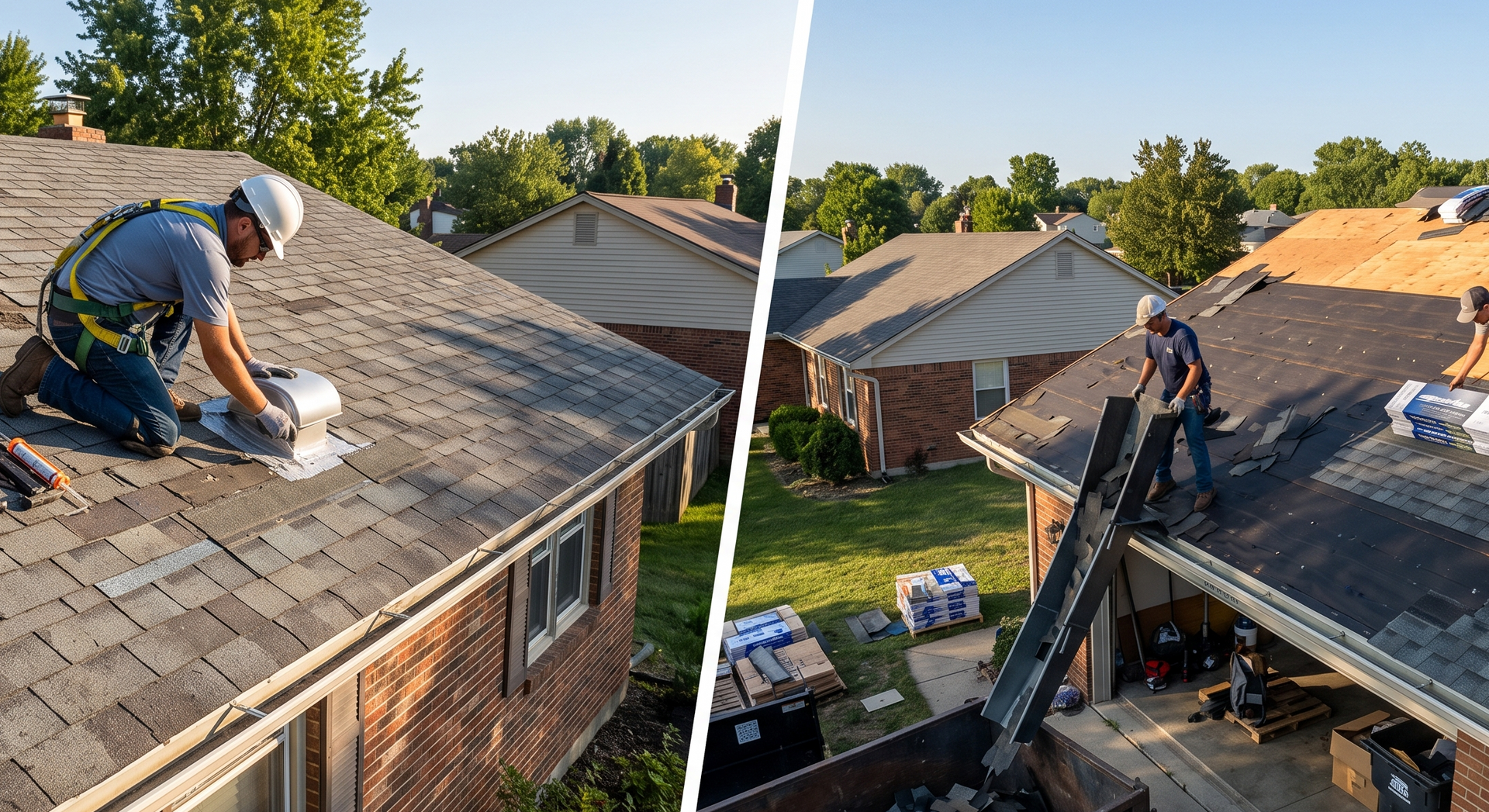
When homeowners discover a roof leak, missing shingles, or storm damage, one of the first questions they ask is whether they should repair the roof or replace it entirely. The answer depends on several factors, including the age of the roof, the extent of the damage, repair history, and long-term financial considerations. While repairs are often less expensive upfront, a replacement may provide greater value over time if the roof is nearing the end of its lifespan.
For homeowners throughout Geneva, Batavia, Aurora, Naperville, St. Charles, Wheaton, and surrounding Illinois communities, understanding the true cost of roof repair versus replacement can help prevent wasted money and unexpected problems in the future.
Understanding the Difference Between Roof Repair and Roof Replacement
Before comparing costs, it is important to understand what each option involves.
Roof Repair
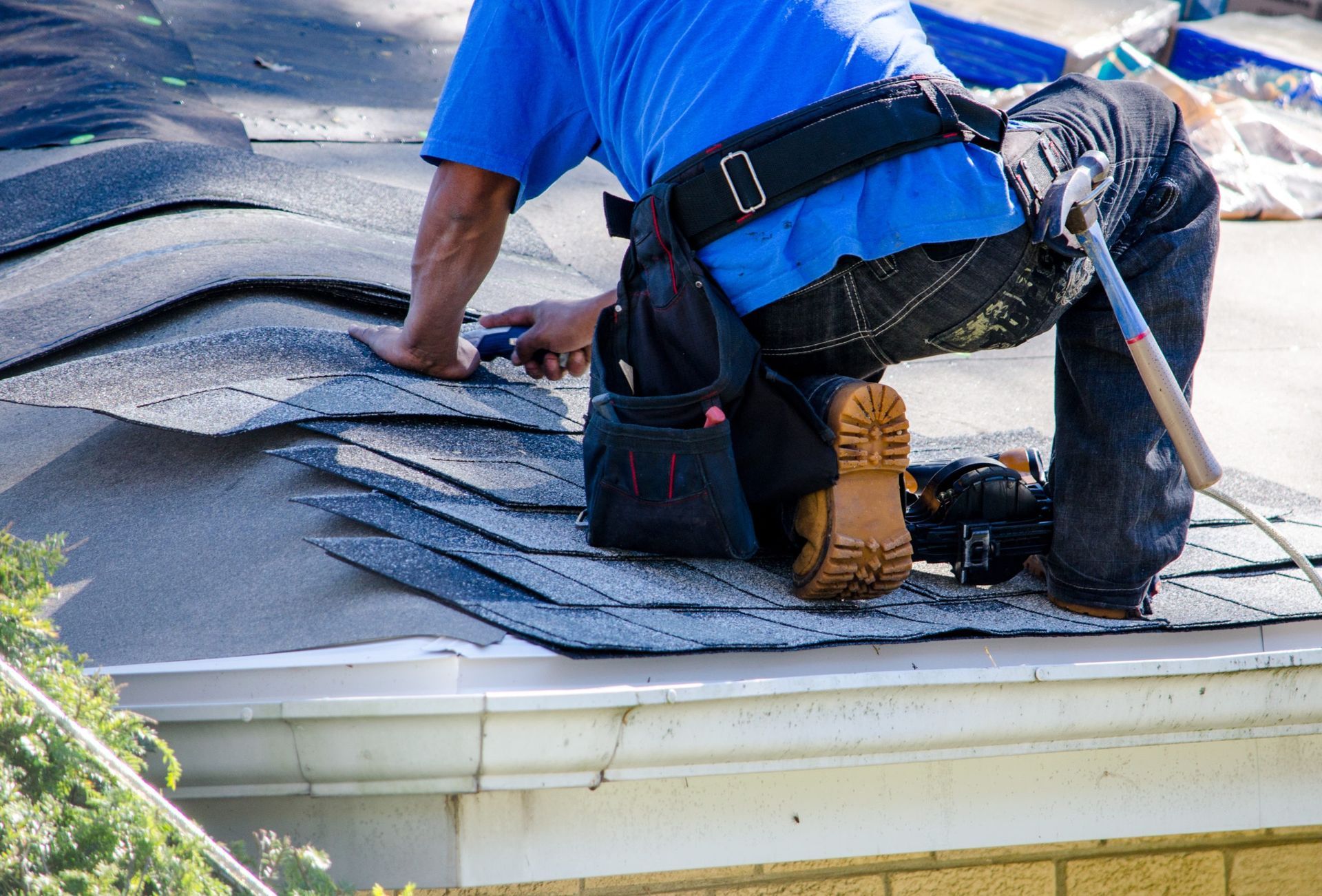
Roof repairs address specific damaged areas while leaving the majority of the roofing system intact.
Common repairs include:
- Replacing missing shingles
- Repairing roof leaks
- Fixing flashing around chimneys and vents
- Addressing storm damage
- Repairing small sections of roofing material
- Replacing damaged ridge caps
Repairs are designed to extend the life of an existing roof and correct isolated problems.
Roof Replacement
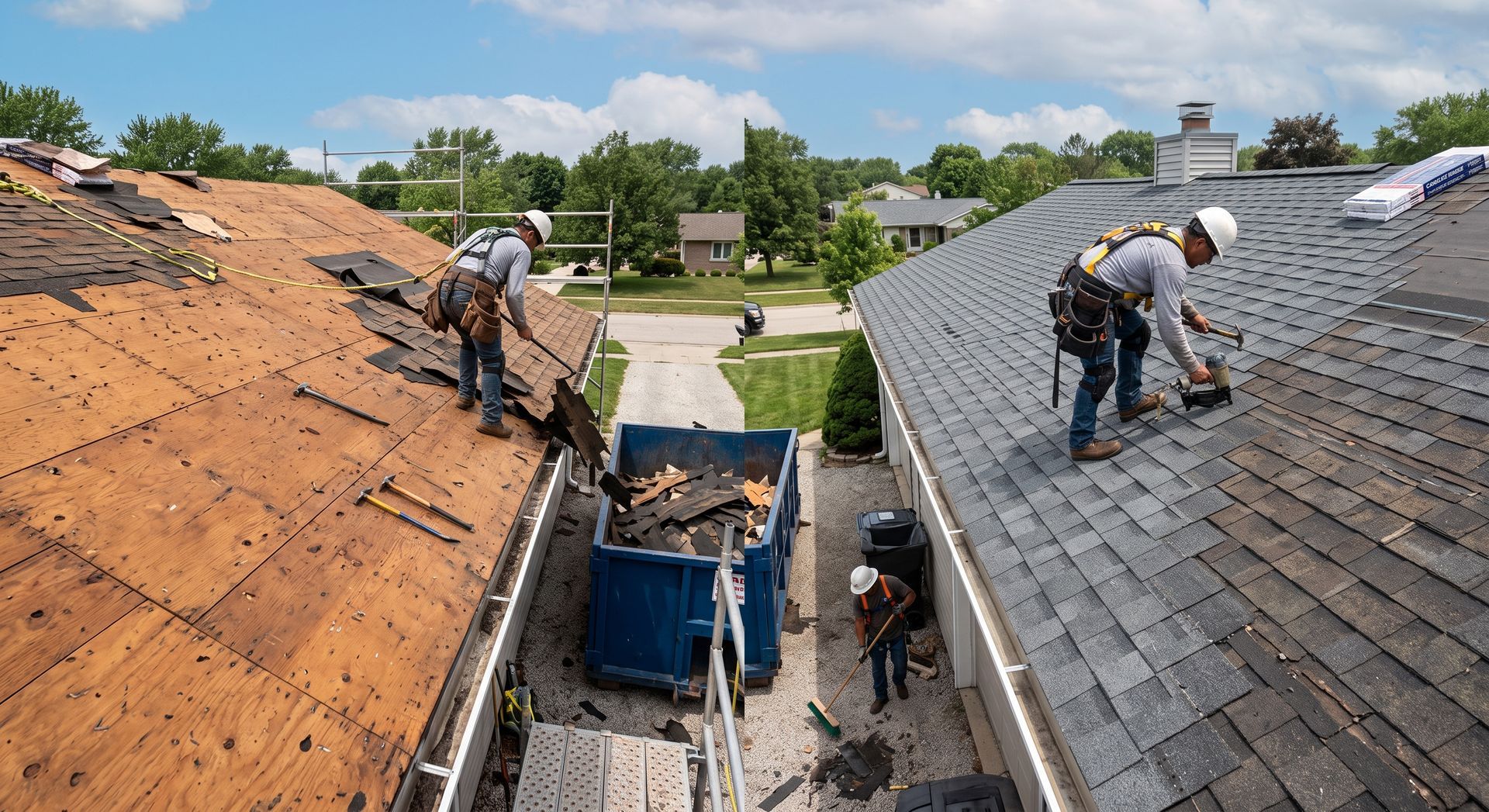
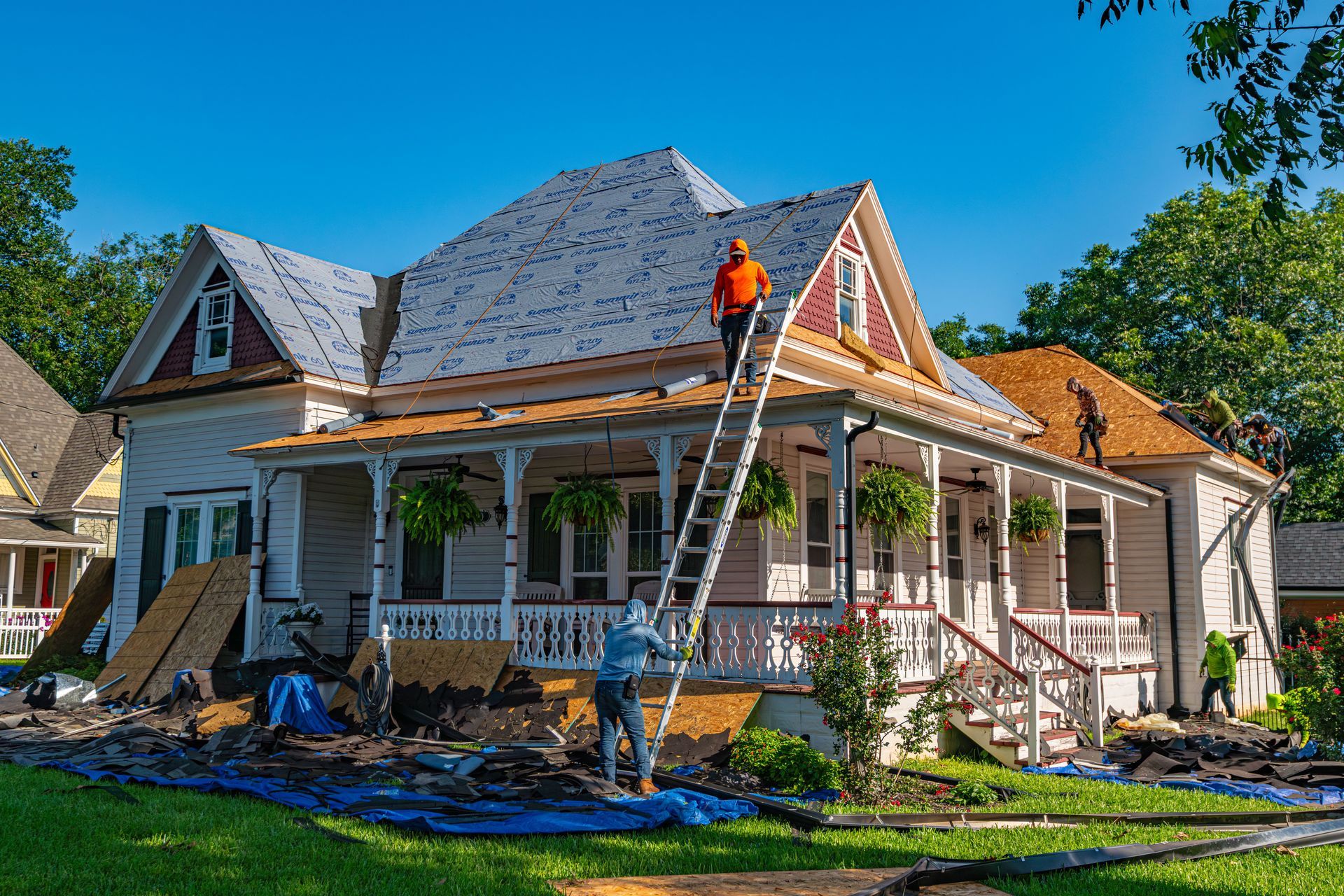
A roof replacement involves removing some or all of the existing roofing materials and installing a new roofing system.
Depending on the home's condition, replacement may include:
- Complete tear-off of old shingles
- New underlayment
- Replacement decking where needed
- New flashing
- Ventilation improvements
- Installation of new shingles
A replacement effectively resets the lifespan of the roof.
When Roof Repair Makes Financial Sense
In many situations, repairing a roof is the most cost-effective solution.
The Roof Is Relatively New
If your roof is less than 10 to 15 years old and has been properly maintained, repairs are often the logical choice.
A newer roof typically has many years of useful life remaining, making replacement unnecessary unless severe damage has occurred.
Damage Is Limited to a Small Area
Localized issues are often ideal candidates for repair.
Examples include:
- A few missing shingles after a windstorm
- Small flashing failures
- Minor leak locations
- Isolated hail damage
Addressing these problems early can prevent more extensive damage and keep repair costs manageable.
The Roof Structure Remains Sound
If the decking, framing, and overall roofing system remain in good condition, repairs can often restore full performance without the expense of a complete replacement.
Insurance Covers the Damage
In some storm-related situations, insurance may cover repairs.
When damage is limited, insurers often approve repairs rather than full replacement.
When Roof Replacement Saves More Money
Although replacement requires a larger upfront investment, it can save significant money over the long term in certain situations.
The Roof Is Near the End of Its Lifespan
One of the biggest factors is age.
If your asphalt shingle roof is approaching 20 to 30 years old, investing in repeated repairs may not make financial sense.
Homeowners often find themselves paying for:
- Leak repairs
- Shingle replacements
- Flashing repairs
- Interior water damage restoration
These expenses can add up quickly when the roof is already nearing replacement age.
Repairs Are Becoming Frequent
A good rule of thumb is to evaluate how often roofing problems occur.
Questions to consider:
- Have you repaired the roof multiple times in the past few years?
- Are new leaks appearing regularly?
- Do storm events consistently create new issues?
If the answer is yes, replacement may offer a better return on investment.
Storm Damage Is Extensive
Severe hail or wind damage often affects large portions of the roofing system.
In these situations, repairing isolated sections may create:
- Appearance inconsistencies
- Ongoing leak risks
- Reduced warranty protection
A full replacement often provides a more durable and attractive solution.
Energy Efficiency Has Declined
Older roofing systems frequently lack modern ventilation and energy-efficient materials.
A replacement can improve:
- Attic ventilation
- Indoor comfort
- Cooling efficiency
- Heating performance
Many homeowners notice reduced energy costs after installing a new roofing system.
The Hidden Costs of Delaying Replacement
Some homeowners postpone replacement because repairs seem less expensive initially.
However, delaying replacement can lead to additional costs.
Interior Water Damage
Small roof leaks can cause:
- Ceiling stains
- Drywall damage
- Mold growth
- Damaged insulation
- Flooring issues
These secondary repairs often cost far more than the original roofing problem.
Structural Deterioration
Water intrusion can damage:
- Roof decking
- Rafters
- Support structures
Once structural components are affected, repair costs increase substantially.
Reduced Property Value
An aging roof can negatively impact resale value.
Many buyers view an older roof as a future expense and may negotiate lower offers or request a replacement before closing.
Comparing Long-Term Costs
Let's consider a simplified example.
Scenario 1: Ongoing Repairs
A homeowner spends:
- $1,200 repairing leaks
- $900 replacing damaged shingles
- $1,500 repairing storm damage
- $800 fixing flashing issues
Total over several years: $4,400
If the roof still requires replacement shortly afterward, much of that money may not provide lasting value.
Scenario 2: Timely Replacement
A homeowner invests in a new roofing system and receives:
- Decades of protection
- Improved energy efficiency
- Better curb appeal
- Enhanced resale value
- Warranty coverage
While the initial investment is larger, long-term costs may actually be lower.
Factors Illinois Homeowners Should Consider
Every roofing situation is unique.
Important factors include:
Roof Age
Older roofs generally favor replacement.
Extent of Damage
Minor issues often favor repairs.
Future Plans
If you plan to stay in your home long term, replacement may offer greater value.
If you expect to sell soon, a new roof may improve marketability and buyer confidence.
Budget
Repairs may provide temporary relief when budgets are limited.
However, homeowners should also consider future expenses and the likelihood of additional repairs.
Warranty Coverage
Many modern roofing systems include strong manufacturer warranties that provide long-term protection.
Why Professional Roof Inspections Are Essential
Determining whether repair or replacement makes the most sense requires an accurate assessment of the roof's condition.
A professional inspection can identify:
- Hidden storm damage
- Moisture intrusion
- Ventilation deficiencies
- Decking deterioration
- Remaining roof lifespan
Without a thorough inspection, homeowners may either overspend on unnecessary replacement or continue investing in repairs that no longer provide value.
Why Homeowners Trust Bagg Exteriors
Since 1972, Bagg Exteriors has helped homeowners throughout Geneva, Aurora, Batavia, Naperville, Wheaton, St. Charles, Bartlett, Carol Stream, and surrounding communities make informed roofing decisions.
Homeowners appreciate:
- Estimates provided directly by the owner
- Honest recommendations
- Licensed roofing contractors
- Roof repairs and leak detection
- Complete roof replacements
- Tear-off services
- Lifetime warranty options on many shingles
- More than 50 years of local experience
Rather than recommending a replacement when a repair will suffice, Bagg Exteriors focuses on providing solutions that best fit each homeowner's needs and budget.
Frequently Asked Questions
Is it cheaper to repair or replace a roof?
Repairs usually cost less initially, but a replacement may save more money in the long term when the roof is older or experiencing repeated problems.
How many times can a roof be repaired?
There is no fixed limit, but frequent repairs often indicate that replacement should be considered.
Does insurance cover roof replacement?
Insurance may cover replacement when damage results from a covered event such as hail or wind. Coverage varies by policy.
Can a new roof increase home value?
Yes. A new roof often improves curb appeal, buyer confidence, and overall property value.
How do I know if my roof needs replacement?
A professional inspection can evaluate age, condition, storm damage, and remaining lifespan to determine the most cost-effective option.
Make the Right Investment for Your Home
Choosing between roof repair and roof replacement is not always straightforward. The best decision depends on your roof's age, condition, and long-term goals. Bagg Exteriors has been helping homeowners throughout Geneva and the surrounding Fox Valley communities since 1972. Whether your roof needs a simple repair or a complete replacement, our experienced team can provide an honest assessment and recommend the solution that offers the greatest value for your home.
Recent Posts